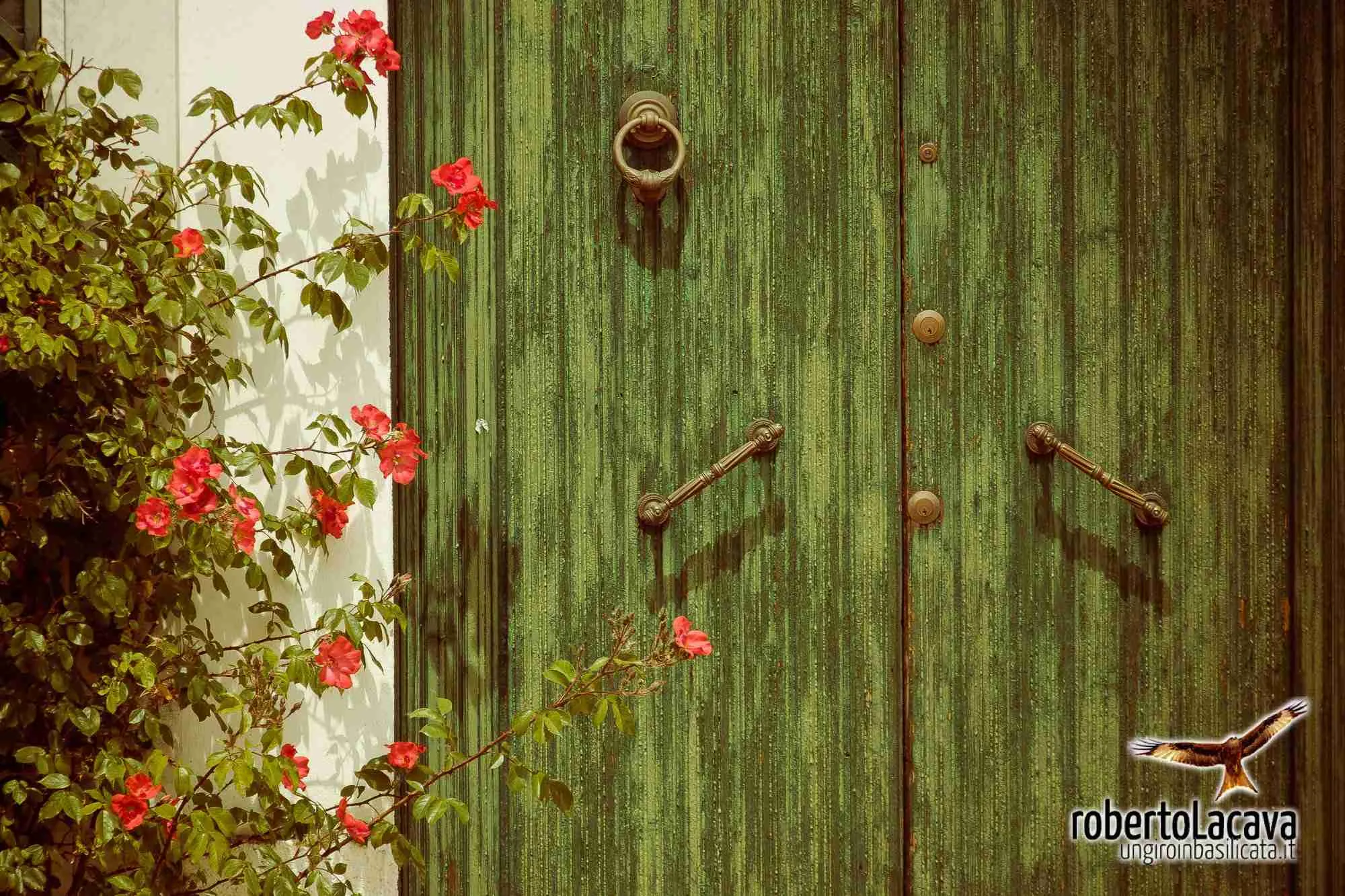
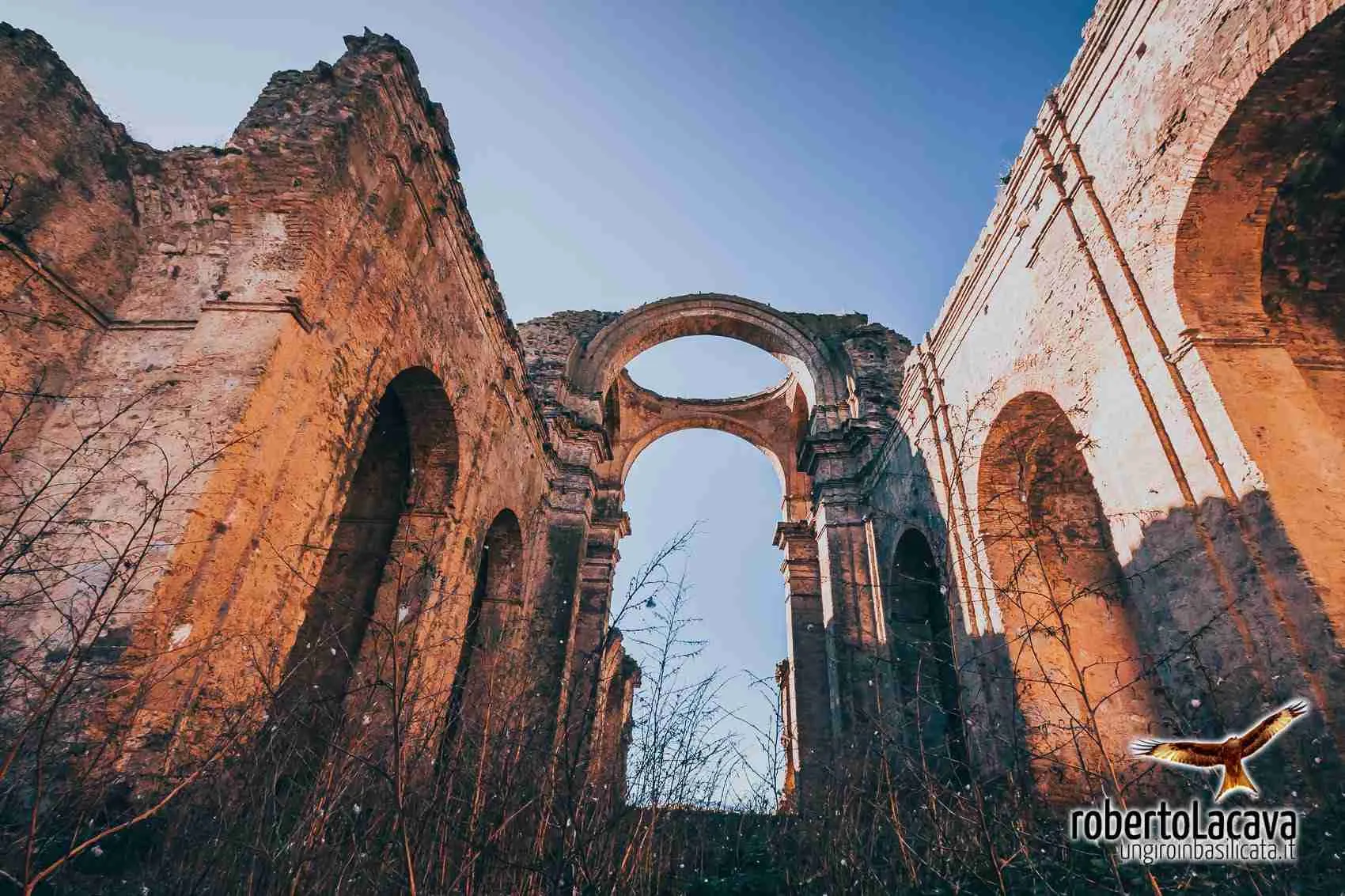
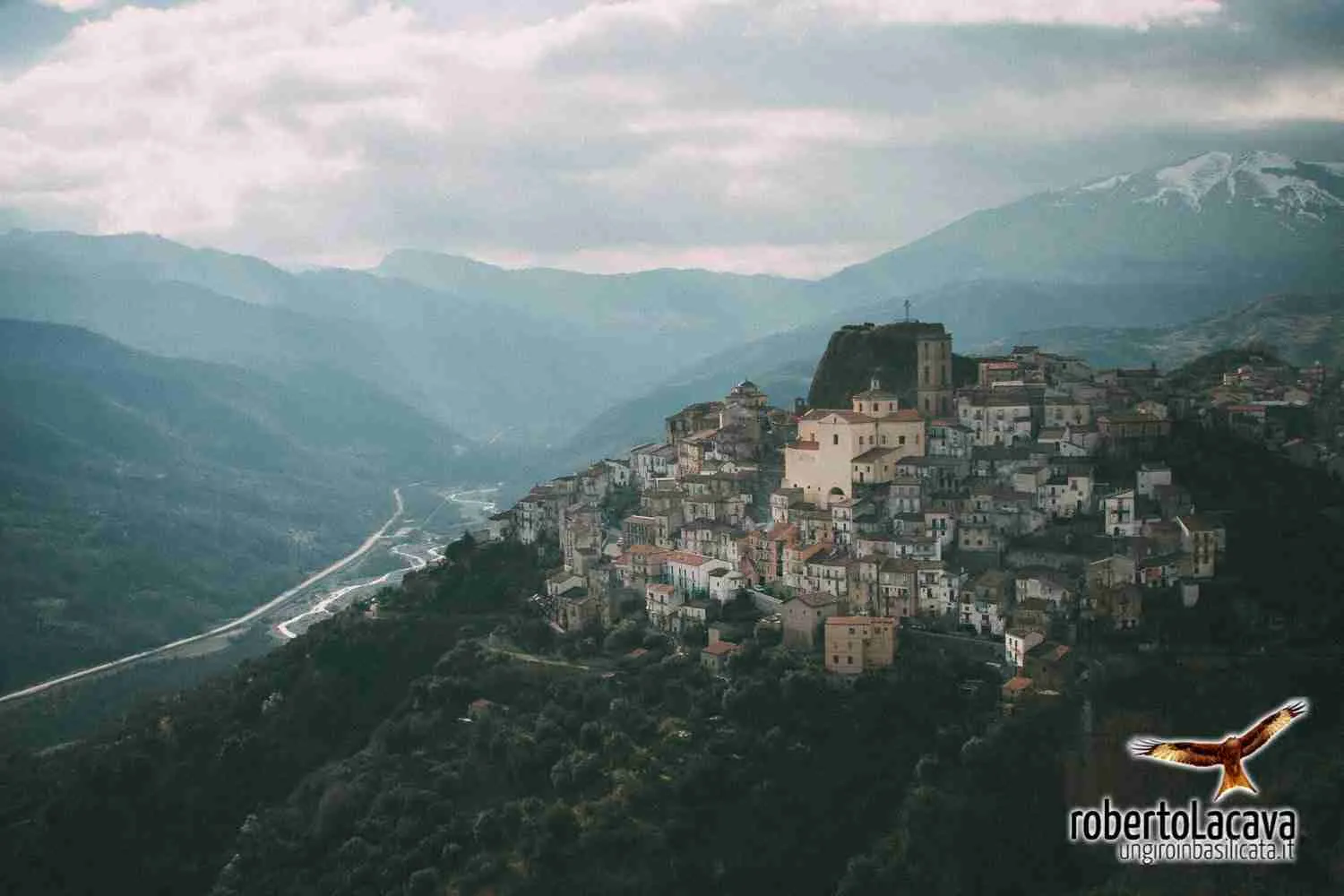
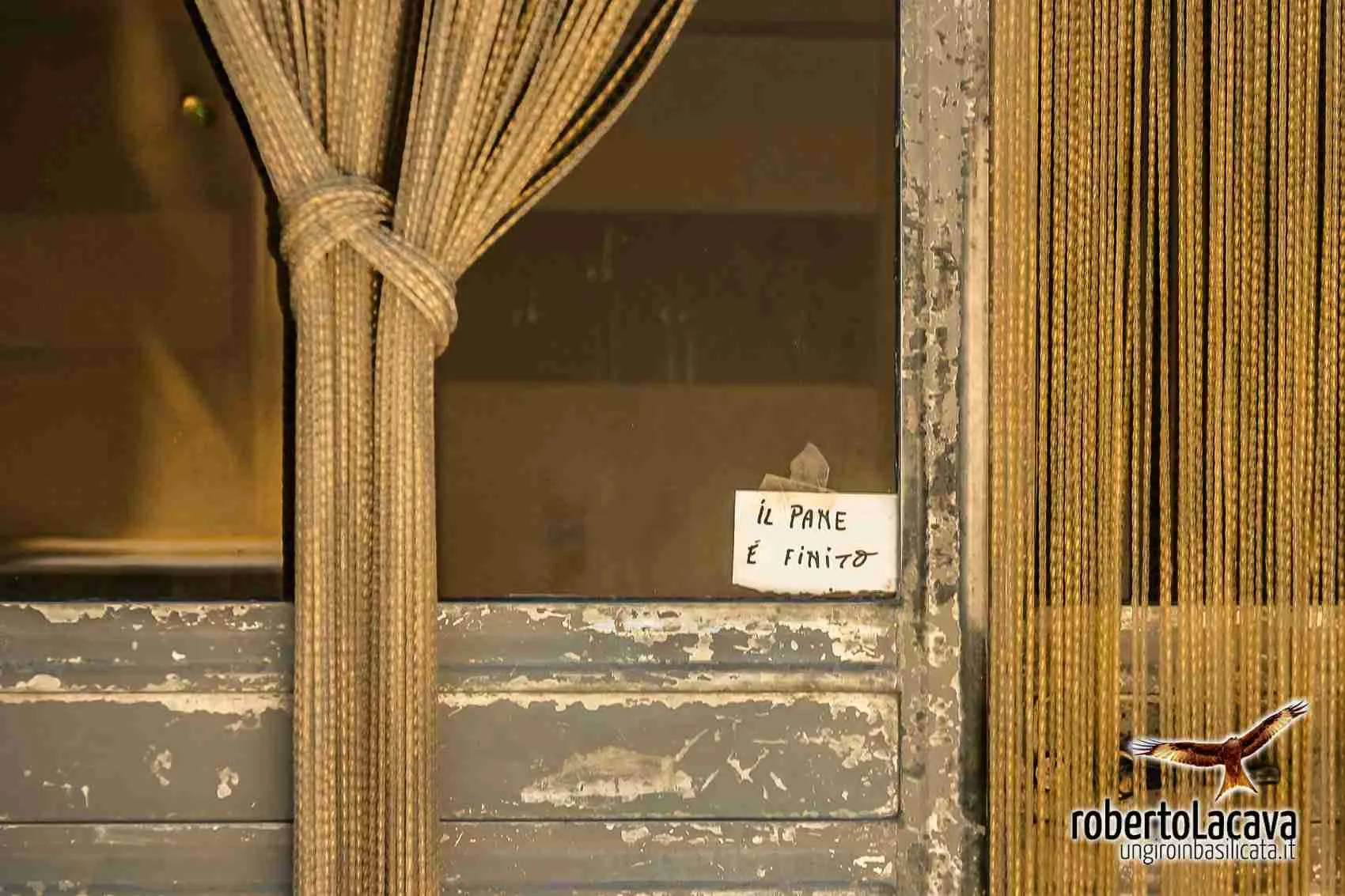
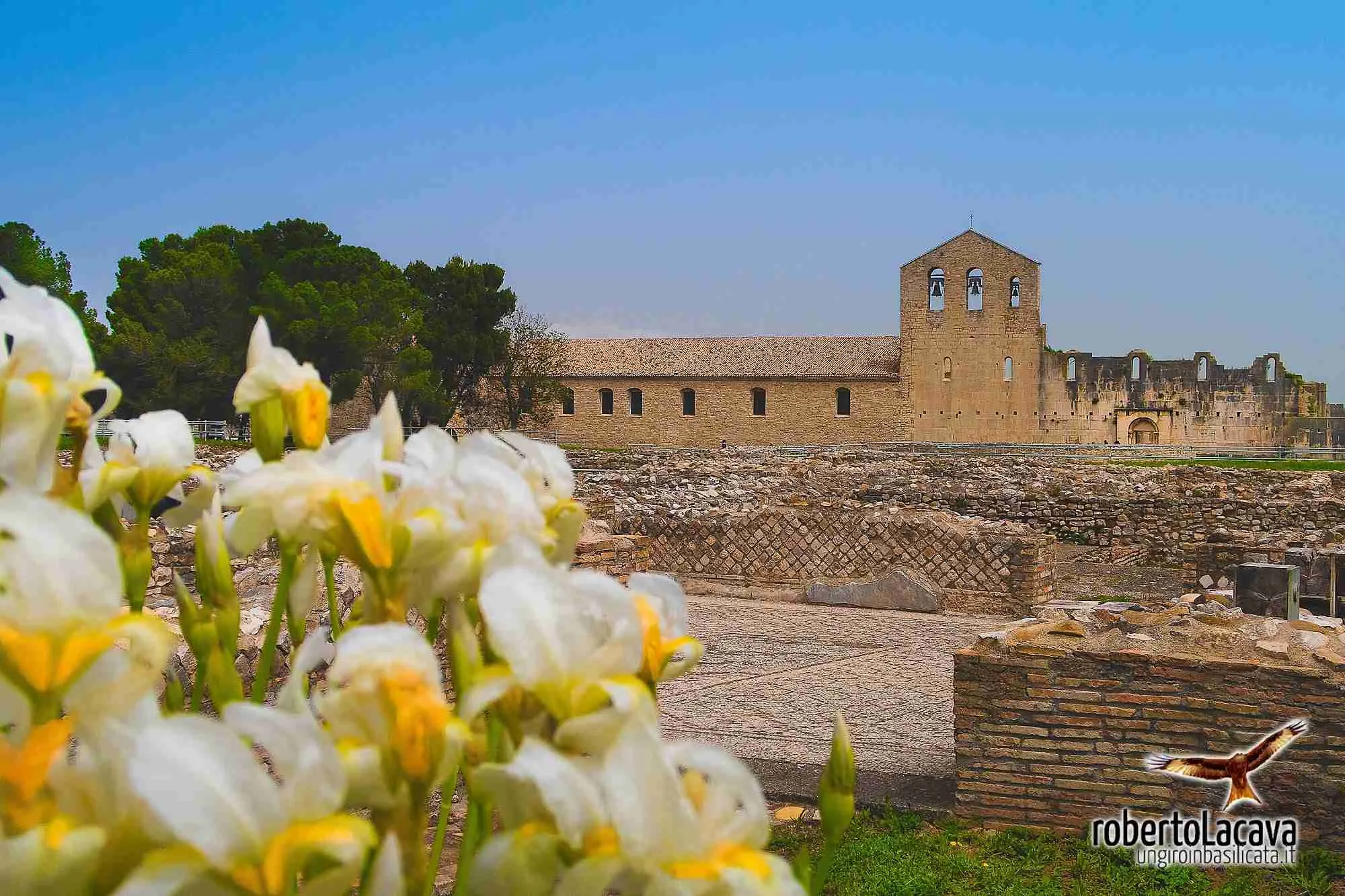
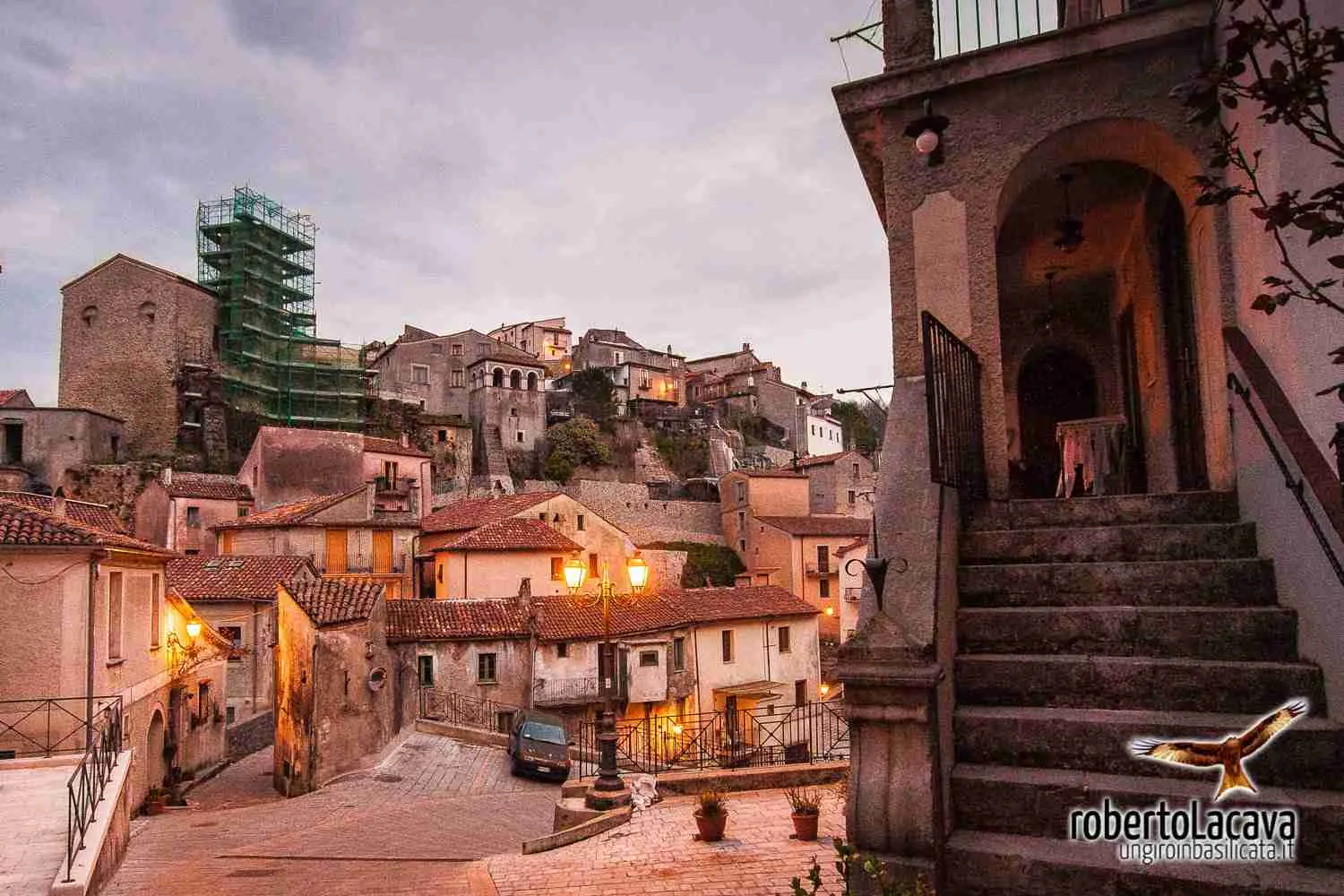
“Un giro in Basilicata” (A Tour of Basilicata) is the tangible and intimate result of 4 years of road travel conducted to deeply rediscover my land of origin.
It all started elsewhere, in another region (Tuscany). Often it is only by distancing oneself that the vision of one's home changes: details previously taken for granted, the poignant beauty of villages, and everyday social contradictions suddenly take on a completely new meaning. Living permanently in Lucania creates a strange form of habituation: scenic beauty becomes normal, infrastructure hardship turns into habit, and geographic isolation ends up being experienced as a blessing.
Those not born or having lived here will struggle to understand, and perhaps get used to, the dense and absolute silence reigning everywhere across these valleys; just as we Lucanians will never feel at ease among crowded, noisy metropolis throngs.
Isolation and Decline of Villages
Geographic impediment and the continuous, unstoppable migration flux of youth have accentuated the cultural and social isolation consuming this region for decades. The issues are chronic and visible on the very faces of towns: historic centers empty out, average age advances rapidly, landslides threaten old houses clinging to rocks, and job opportunities are scarce.
In this climate of slow abandonment, where even politics seems powerless to curb depopulation, I felt the urgency to start my visual journal. What I sought to freeze with the lens is the visual testimony of an authentic Basilicata that, I fear, risks disappearing or turning into an open-air museum devoid of souls within a few years.
80,000 Kilometers of Stories
During these 4 years of slow and methodical exploration, I traveled roughly 80,000 kilometers along winding Lucanian state and provincial roads, visiting all 131 municipalities of the region. I captured over 150,000 photographs, seeking not shiny glossy postcards from tourist catalogs, but weathered faces of the last farmers, silences of town squares during midday heat, architectural details worn by time, and the imposing nature of Lucanian national parks.
The project proposes itself as a true visual and anthropological archive for future generations. To explore my theoretical approach and the philosophy behind my slow path, I invite you to read the article Photographing is Storytelling and the reflection in Praise of Slowness.
You can visit the full archive at the web address: www.ungiroinbasilicata.it
Roberto Lacava